
Modafinil and traditional ADHD medications such as Adderall and Ritalin are both used to improve focus and concentration, but they work in different ways and are prescribed for different purposes. Understanding these differences can help patients and healthcare professionals decide which treatment may be more appropriate for a particular situation.
What Are Traditional ADHD Medications?
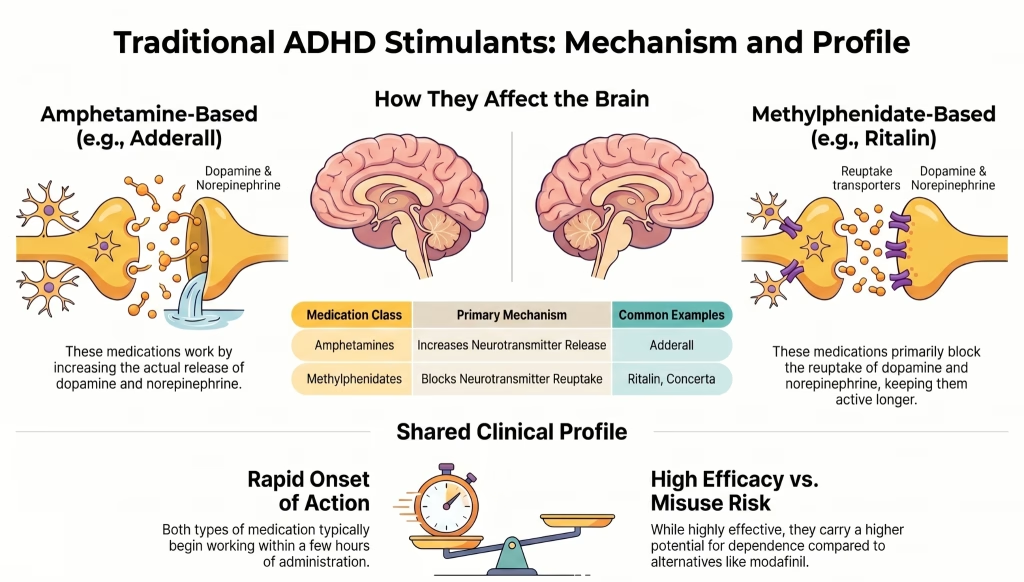
Traditional ADHD medications are generally divided into two categories: amphetamine-based medicines such as Adderall and methylphenidate-based medicines such as Ritalin and Concerta. Amphetamines increase the release of dopamine and norepinephrine in the brain, while methylphenidates mainly block the reuptake of these neurotransmitters, allowing them to remain active for longer. Both types of medication usually begin working within a few hours and are considered highly effective for treating ADHD. However, they also carry a higher potential for misuse and dependence than modafinil.
How Modafinil Differs
Modafinil is not an amphetamine and works through a different mechanism. While it increases dopamine activity, it also affects orexin and norepinephrine pathways in a unique way that promotes wakefulness without producing the same intense stimulant effect seen with amphetamines. As a result, many users describe modafinil as providing smoother mental clarity with less of a “rush” and a different side effect profile. It also has a much lower abuse potential and is classified as a Schedule IV controlled medicine, whereas amphetamines are Schedule II controlled substances.
Effectiveness Comparison
For individuals diagnosed with ADHD, medications such as Adderall and Ritalin are generally considered more potent because they produce stronger dopamine activity in the brain. These medicines remain first-line treatments for many patients with ADHD. Modafinil, while effective for some individuals, is typically prescribed off-label or used when standard stimulant medications are unsuitable.
For people without an ADHD diagnosis who are seeking improved focus or cognitive performance, many users report that modafinil offers smoother and more manageable effects. Traditional stimulants may produce excessive stimulation in non-ADHD users, making modafinil a preferred option for off-label cognitive enhancement.
Side Effect Profile
The side effects of amphetamine medications commonly include jitteriness, appetite suppression, increased heart rate, anxiety, sleep disturbance, and a noticeable “crash” as the medication wears off. Because of their strong stimulant effects, they also carry a higher risk of dependence and addiction.
Modafinil generally produces fewer stimulant-related side effects. Jitters are uncommon, appetite suppression is usually mild, and users often experience a gradual decline in effect rather than a sudden crash. Although modafinil can still interfere with sleep if taken too late in the day and may slightly increase heart rate, it is generally associated with a lower risk of anxiety and addiction compared with amphetamine medications.
Duration and Dosing
One major difference between these medicines is how long they remain effective. Immediate-release amphetamine medications typically last between four and eight hours, while extended-release versions may last eight to twelve hours and often require additional doses throughout the day.
Modafinil generally remains effective for twelve to sixteen hours after a single morning dose. This longer duration often allows users to maintain alertness and concentration throughout the day without needing repeat dosing, making the treatment schedule simpler.
When Each Medication May Be Appropriate
Amphetamine medications are generally preferred for people with a confirmed ADHD diagnosis who require maximum symptom control and are comfortable using a more potent stimulant under medical supervision. They remain the standard first-line treatment for many ADHD patients.
Modafinil may be more suitable for individuals seeking off-label cognitive enhancement, those who prefer gentler effects, people concerned about abuse potential, or those who want a longer-lasting medication that can usually be taken once daily.
Switching Between Modafinil and ADHD Medications
Some people transition between amphetamine medications and modafinil under medical supervision. When switching from an amphetamine to modafinil, the stimulant is usually stopped before beginning modafinil, resulting in effects that many describe as smoother and less intense. Those considering this change often research Modalert 200 as one of the well-known modafinil formulations available. Moving from modafinil to an amphetamine often produces stronger stimulant effects and a more noticeable feeling of stimulation. Although these medicines do not typically produce dangerous interactions when switched appropriately, an adjustment period is common because they work through different mechanisms.
Legality and Prescription Status
Amphetamine medications such as Adderall are Schedule II controlled substances and are subject to stricter prescribing regulations because of their higher abuse potential. They generally require closer medical monitoring and tighter prescription controls.
Modafinil is classified as a Schedule IV controlled medicine and carries fewer regulatory restrictions. This lower level of control contributes to its wider use in certain off-label situations where clinicians consider it appropriate.
Which Is Better?
The answer depends on the individual’s needs and medical condition. For patients with ADHD, amphetamine medications are often more effective because they provide stronger dopamine stimulation that better addresses ADHD symptoms. For individuals seeking enhanced focus without ADHD, modafinil may offer smoother effects, a longer duration of action, and a lower risk of dependence. People who are sensitive to stimulant medications often tolerate Waklert 150 better, while those requiring maximum symptom control may benefit more from traditional ADHD medications.
FAQ
Many people ask whether modafinil is weaker than Adderall. Rather than being weaker, it works differently and generally produces smoother stimulation with fewer intense effects.
Another common question is whether modafinil can be combined with ADHD medications. This should only be done under medical supervision because both medicines influence dopamine activity and combining them may increase side effects.
People also frequently ask which medication is more addictive. Current evidence shows that amphetamine medications have a substantially higher risk of dependence due to their stronger stimulant effects, while modafinil has a much lower abuse potential.
Finally, patients often wonder whether modafinil will work if Adderall has been effective. Because the two medications act through different mechanisms, response varies between individuals, and success with one does not guarantee similar results with the other.
Citations
Buy Modafinil UK only refers to credible, authoritative sources for our content. If you’re curious about how we ensure the integrity of our content, we encourage you to read our Content Information Policy.