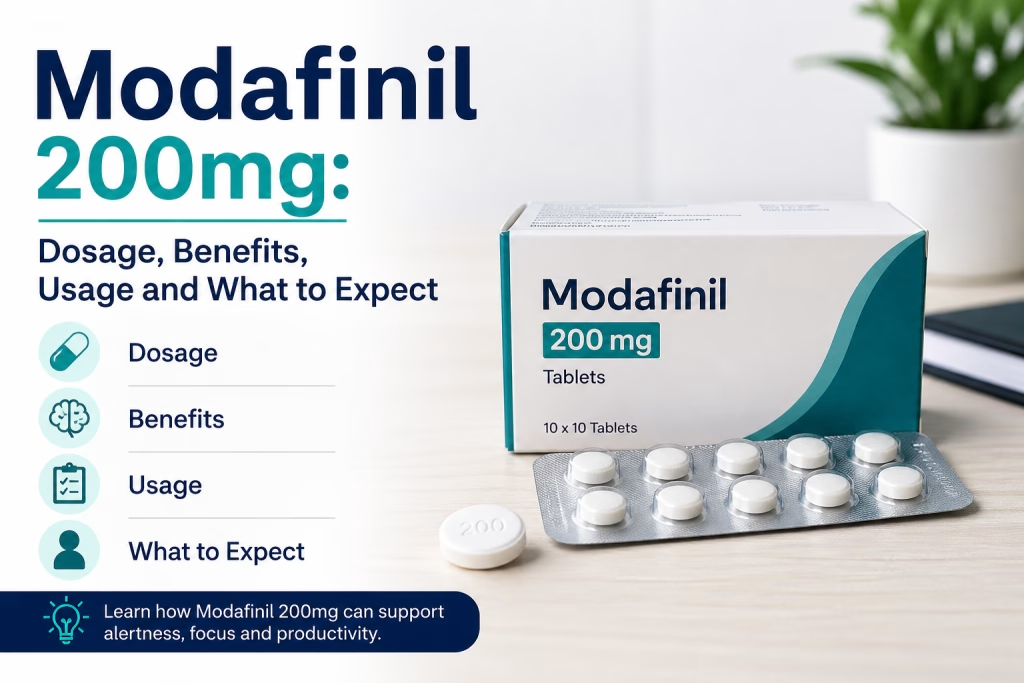
Introduction
Research on modafinil continues to evolve as new studies expand our understanding of its safety profile, potential medical applications, and prescribing practices. Ongoing clinical research is helping healthcare professionals refine treatment recommendations while exploring additional uses beyond sleep disorders. This guide summarizes the latest evidence-based findings. Individuals looking to Buy Modafinil UK should also stay informed about the latest scientific evidence regarding its benefits and safety.
Long-Term Safety: What Recent Studies Show
Current long-term studies suggest that modafinil tablets remain safe for extended use when taken under appropriate medical supervision. Research following patients for one to five years has not identified any major safety concerns. Liver function, kidney function, and cardiovascular markers generally remain within normal ranges among long-term users. However, evidence beyond five years remains limited, and much of the available data comes from patients with narcolepsy who have used the medication for many years. Overall, current evidence suggests that long-term treatment appears safe when properly monitored.
Cardiovascular Effects: Current Evidence
Recent research indicates that modafinil may cause small increases in heart rate and blood pressure, typically by around five to ten beats per minute and five to ten millimeters of mercury respectively. These effects appear to be dose-dependent, with higher doses producing greater cardiovascular changes. Healthy adults generally experience minimal risk, although people with existing heart disease should exercise caution. Many experts recommend a baseline cardiovascular assessment before starting treatment, particularly for adults over 50 years of age. Some patients begin therapy with Modalert 100 mg as a lower-strength option under medical supervision.
Brain Health and Neuroprotection
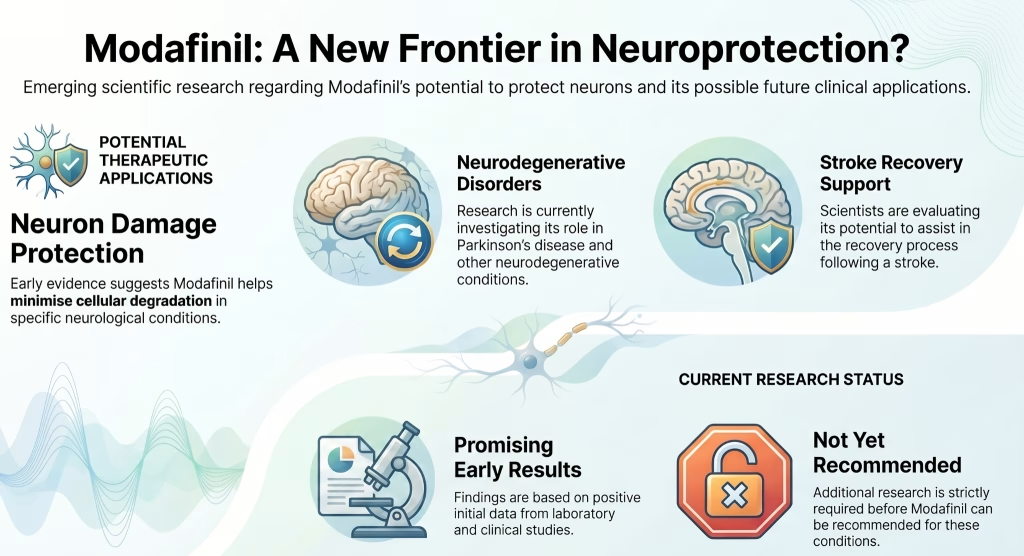
Emerging evidence suggests that modafinil may possess neuroprotective properties. Early laboratory and clinical studies indicate that it could help protect neurons from damage in certain neurological conditions. Researchers are currently investigating its potential role in Parkinson’s disease, stroke recovery, and neurodegenerative disorders. Although these findings are promising, additional research is required before modafinil can be recommended for these conditions.
Cognitive Enhancement: What Current Evidence Shows
Current evidence consistently supports modafinil’s ability to improve focus, attention, and sustained concentration. However, research on memory enhancement remains modest, with only limited improvements reported in some studies. There is currently no convincing evidence that modafinil significantly improves creativity or increases intelligence. Instead, it appears to enhance productivity by improving concentration and mental clarity. Popular formulations such as Modalert 200 are frequently discussed by users seeking cognitive enhancement and improved wakefulness.
Off-Label Uses Being Studied
Researchers continue to investigate several off-label uses for modafinil. Strong evidence supports its use in some patients with ADHD, although it is not a first-line treatment. Additional studies suggest possible benefits as an add-on treatment for depression, chronic fatigue syndromes, and age-related cognitive decline. Modafinil remains an established treatment for narcolepsy and certain cases of sleep apnea, while research into bipolar depression continues to produce mixed results.
New Prescribing Guidelines (2025–2026)
Recent prescribing trends indicate that more healthcare professionals are using modafinil for selected off-label conditions such as ADHD and cognitive enhancement. Longer prescription durations are becoming more common, with many clinicians recommending follow-up assessments every six months for long-term users. Greater awareness of tolerance has also led to increasing recommendations for planned medication breaks in some patients to maintain effectiveness.
Emerging Concerns Under Investigation
Researchers continue to examine several important safety questions surrounding modafinil. Psychological dependence appears uncommon but remains under investigation. Ongoing studies are also evaluating potential drug interactions, safety during pregnancy, use in adolescents, and whether genetic differences influence treatment response. Until more evidence becomes available, caution remains appropriate in these groups.
Cost and Accessibility Changes
Generic modafinil prices have remained relatively stable, improving affordability for many patients. Telemedicine services have increased access to prescriptions in some regions, while certain insurance providers have expanded coverage for selected off-label uses. Economic studies also suggest that improved productivity associated with treatment may provide long-term cost benefits.
Comparing Modafinil with Newer Alternatives
Several newer wakefulness-promoting medications, including armodafinil and pitolisant, continue to be evaluated. Despite these alternatives, modafinil remains one of the most widely prescribed options because of its long history of clinical use and well-established safety profile. Artvigil 150 is another popular modafinil-based formulation that many users consider when discussing wakefulness-promoting medications. Armodafinil may provide slightly greater potency for some patients, while traditional amphetamine stimulants remain stronger but are associated with more side effects and greater abuse potential.
What Research Says About Tolerance
Recent studies suggest that tolerance develops gradually over weeks or months rather than rapidly. Researchers believe this occurs through normal receptor adaptation within the brain. Evidence indicates that planned treatment breaks and appropriate dosing strategies may help reduce tolerance and maintain effectiveness during long-term therapy.
Safety Profile Summary
For most healthy adults, modafinil continues to demonstrate a favorable safety profile for both short-term and long-term use under medical supervision. Additional caution is recommended for people with cardiovascular disease, anxiety disorders, psychiatric conditions, liver disease, or kidney disease, while use during pregnancy is generally avoided. Regular monitoring of blood pressure, heart rate, mood, and side effects remains advisable during ongoing treatment.
Looking Forward: Future Research
Future research is expected to focus on personalized treatment through genetic testing, improved dosing strategies, expanded long-term safety data, neurodegenerative disease applications, and better approaches for managing tolerance. Based on current evidence, modafinil is expected to remain an important treatment option for promoting wakefulness and improving focus for many years to come. Products such as Waklert 150 are also expected to remain widely used alongside other established modafinil formulations as clinical research continues to expand.
Frequently Asked Questions
Is modafinil safer today than it was ten years ago?
Current evidence suggests that the safety profile remains unchanged, but researchers now have substantially more clinical data supporting its use.
Have any major new safety warnings emerged?
At present, no significant new concerns have been identified, and the overall safety profile remains favorable when used appropriately.
Will modafinil become more tightly regulated in the future?
Current trends suggest that major scheduling changes are unlikely, and existing prescribing practices are expected to continue.
Are newer alternatives replacing modafinil?
Although medications such as armodafinil offer advantages for certain individuals, modafinil remains the most widely used and extensively studied wakefulness-promoting medication available today.